Small kitchens settle arguments fast. You can admire three brewers on a shop shelf, but only one of them gets to live beside the toaster without turning your counter into a sliding puzzle. The French press, the pour-over cone and the moka pot are the three most common answers for anyone who wants good coffee without a machine the size of a microwave. All three are affordable, easy to store and capable of excellent results. They also behave nothing alike, and a bad match usually ends up in the back of a cupboard by February. Here is what actually separates them, in the order that matters when space is tight.
Space: footprints, heights and the kettle question
None of these brewers is bulky, but they occupy space in different ways, and that difference decides where they can live.
- French press. Roughly the footprint of a large mug, but it is tall. A one-litre model may not fit under an upper cabinet, which matters if you plan to leave it out on the counter. Capacity is the trade-off that works in its favour: one press makes three or four mugs in a single go.
- Pour-over cone. The smallest footprint of the three — a ceramic or plastic cone sits on a mug and nests inside it when not in use. The real estate issue is the kettle. A gooseneck kettle gives you control, and it takes up as much counter as the brewer itself. If you already own an electric kettle, you can manage, though pouring from a wide spout is clumsier than it looks.
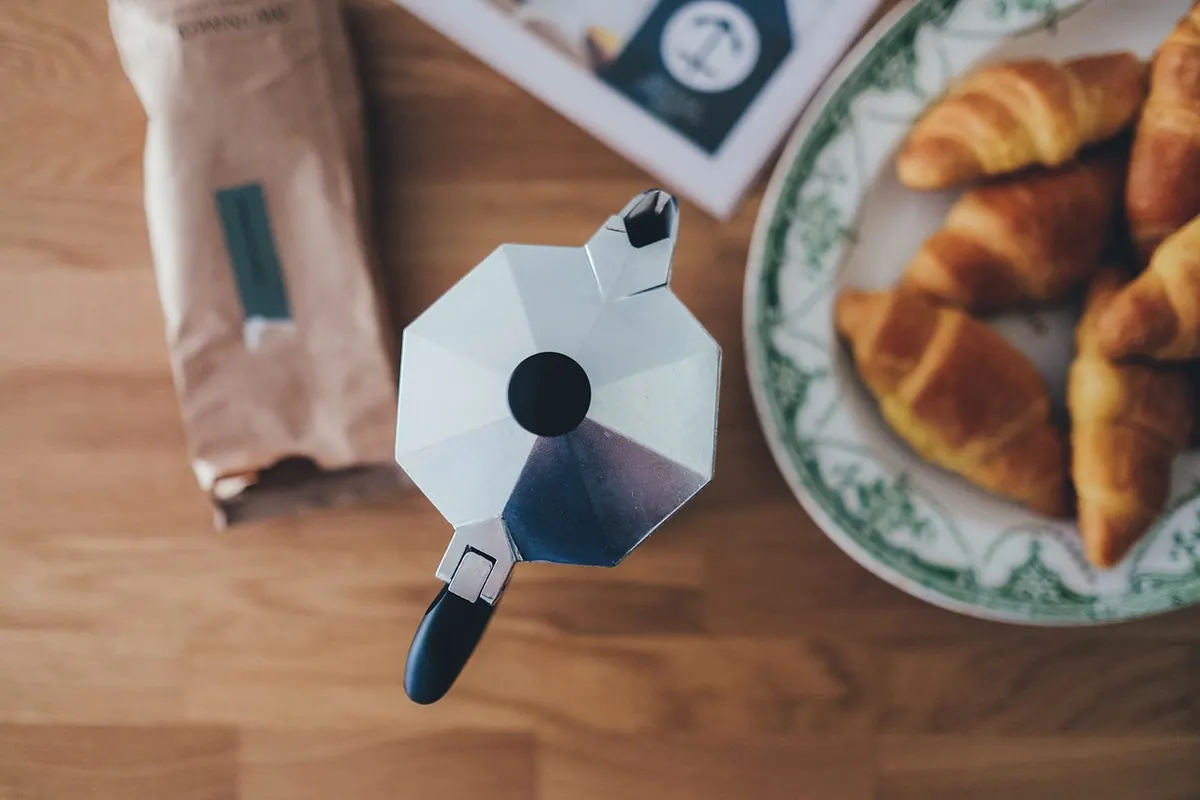
- Moka pot. Compact and tough, but it needs a hob rather than a counter, so it competes with your pans. Check your stove first: classic aluminium moka pots do not work on induction, so you would need a stainless model or an induction adapter plate.
Effort: what the first ten minutes actually look like
French press: mostly waiting
Coarse grind, grounds in, water just off the boil, a stir, lid on, four minutes, plunge slowly. You can make toast while it steeps, which is the whole appeal. The catch is that the coffee keeps extracting while it sits, so pour everything into a second vessel if you are not drinking it right away. A 350ml press takes about 20 to 22 grams of coffee; use roughly 60 grams per litre as a starting point and adjust.
Pour-over: short but front-loaded
This is the one that asks for your attention rather than your patience.
- Rinse the paper filter with hot water and discard the rinse.
- Add medium-ground coffee and pour just enough water to saturate it.
- Wait about 30 to 45 seconds for the bed to settle.
- Pour in slow circles, keeping the water level steady, for roughly two to three minutes total.
You cannot walk away mid-pour, but the whole thing is over quickly. Expect the first few attempts to stall or run through too fast while you learn what a good grind looks like.
Moka pot: brief, but hands-on
Fill the base with hot water to just below the safety valve, add fine-ground coffee to the basket and level it off without tamping, screw the halves tight, then set it on medium heat. Three to five minutes later it starts to gurgle; run the base under cool water to stop the brew. Starting with hot water shortens the time on the hob and keeps the coffee from tasting cooked. High heat is the usual mistake — it scorches the grounds and sends the brew sputtering.
Cleanup: the part nobody mentions
This is where the three separate most sharply in daily use.
The French press is the fussiest. A wet puck of grounds at the bottom should go into the bin or compost, not down the sink, where it clings to pipes. Then the mesh filter comes apart for rinsing on both sides, and the glass picks up an oily film that needs occasional soap and a soft brush. It is a two-minute job, not a disaster, but it is the one you will skip when you are running late.
The pour-over wins on cleanup. Lift the paper filter with the grounds inside, bin or compost it, rinse the cone, done. No soap needed, no disassembly.
The moka pot has three parts to rinse and a few habits worth keeping: no dishwasher for aluminium, a stiff brush around the gasket, and don't leave water sitting inside between uses. Replace the rubber gasket when it hardens, or the pot will leak and brew weakly.
Flavor: same beans, three accents
The French press lets oils and fine particles through the mesh, so the cup is heavy and rounded, with softer acidity and a little sediment in the last sip. It flatters medium and dark roasts — chocolate, nuts, dried fruit — and stands up well to milk. Delicate, floral light roasts tend to get flattened.
The pour-over traps oils and fines in the paper, giving a cleaner, brighter cup where acidity and aroma come through separately. If you want to taste the difference between two bags of the same origin, this is the brewer for it. It is also the least forgiving of a weak grinder, since too many fines will clog the filter and stall the brew.
The moka pot makes a concentrated, syrupy coffee that is closer to espresso in strength, though it is not brewed under espresso pressure. It shines in milk drinks and as a short after-lunch cup. Too fine a grind or too much heat turns it harsh and bitter.
Grind, capacity and the extras that decide it
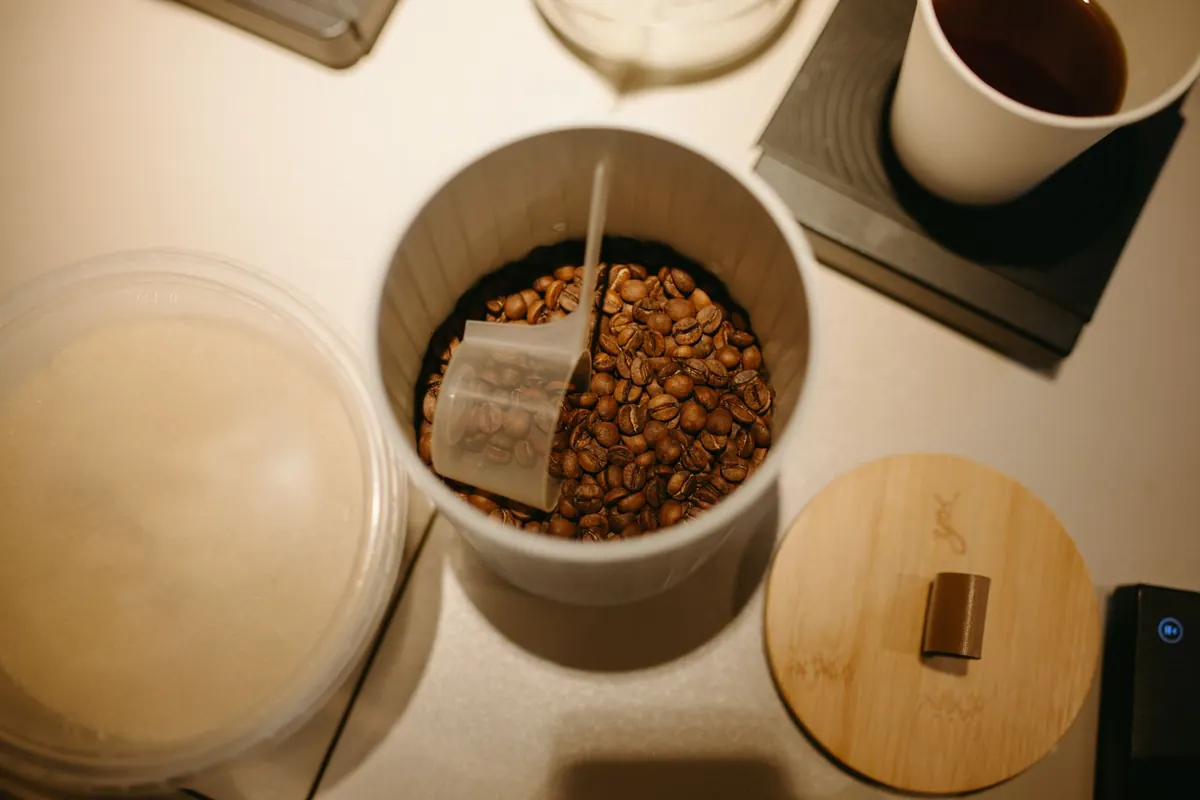
All three want a burr grinder, and one adjustable hand grinder covers the range: coarse like sea salt for the press, medium like sand for pour-over, fine like table salt for the moka — fine, but not espresso-fine. A blade grinder will produce enough dust to spoil both the press and the cone.
Capacity is the quiet decider. The French press is the only one of the three that fills several mugs at once; a cone brews one at a time unless you buy a larger dripper; moka pots are sold as one-, two-, three- or six-cup models, and those "cups" are small — a three-cup pot gives you roughly two decent mugs. Materials matter too: glass breaks, ceramic chips, aluminium dents but survives.
How to choose in one minute
Answer three questions. How many mugs do you need at once? Do you want to stand at the counter or walk away? Do you drink your coffee black or with milk? Then match:
- One or two mugs, black coffee, light roasts: pour-over.
- Several mugs, milk and sugar, weekend mornings: French press.
- Small, strong cups, milk drinks, limited counter space: moka pot.
If you have room for only one brewer and drink both black coffee and cappuccino-style drinks, the moka pot is the more versatile single purchase, provided your hob is compatible. If your coffee is always black and you enjoy the ritual, a cone and a decent kettle will keep you happy for years. And if you are torn between two, buy the grinder first — a good grinder will improve all three brewers, while a second brewer will not fix a bad one.
Photo: AnnieSpratt / Pixabay