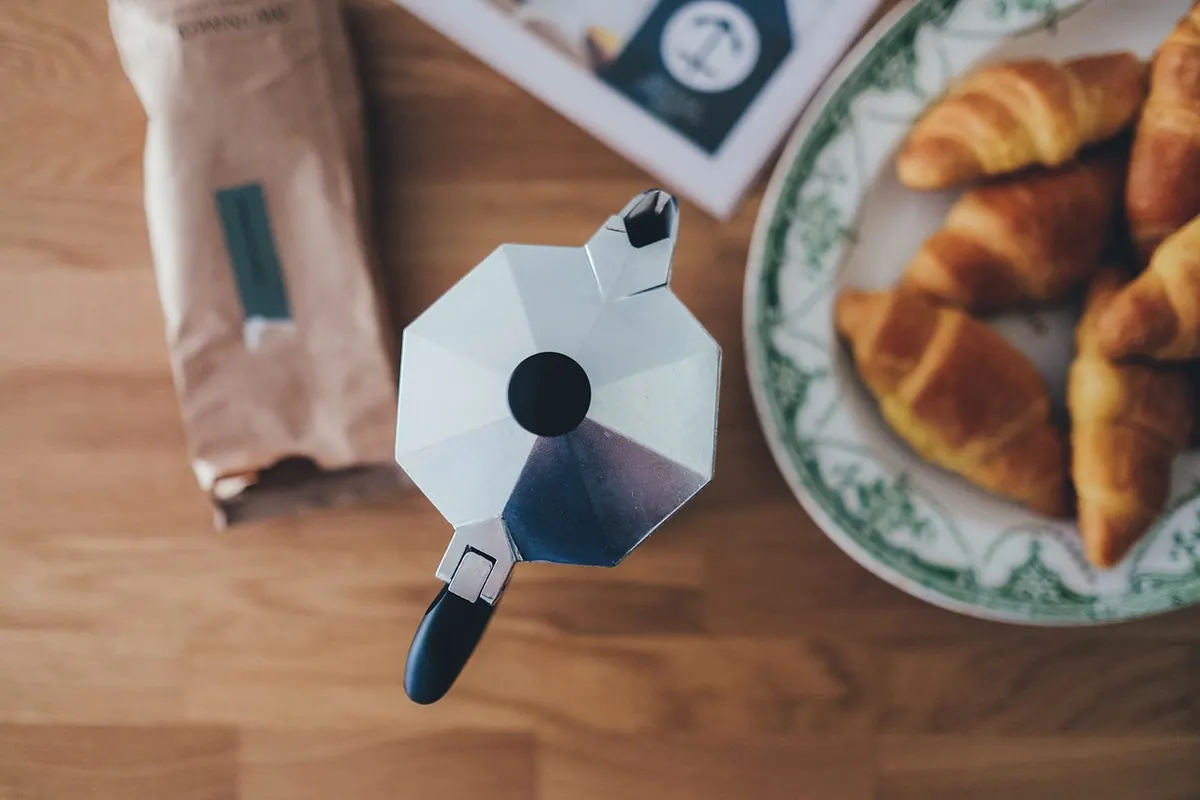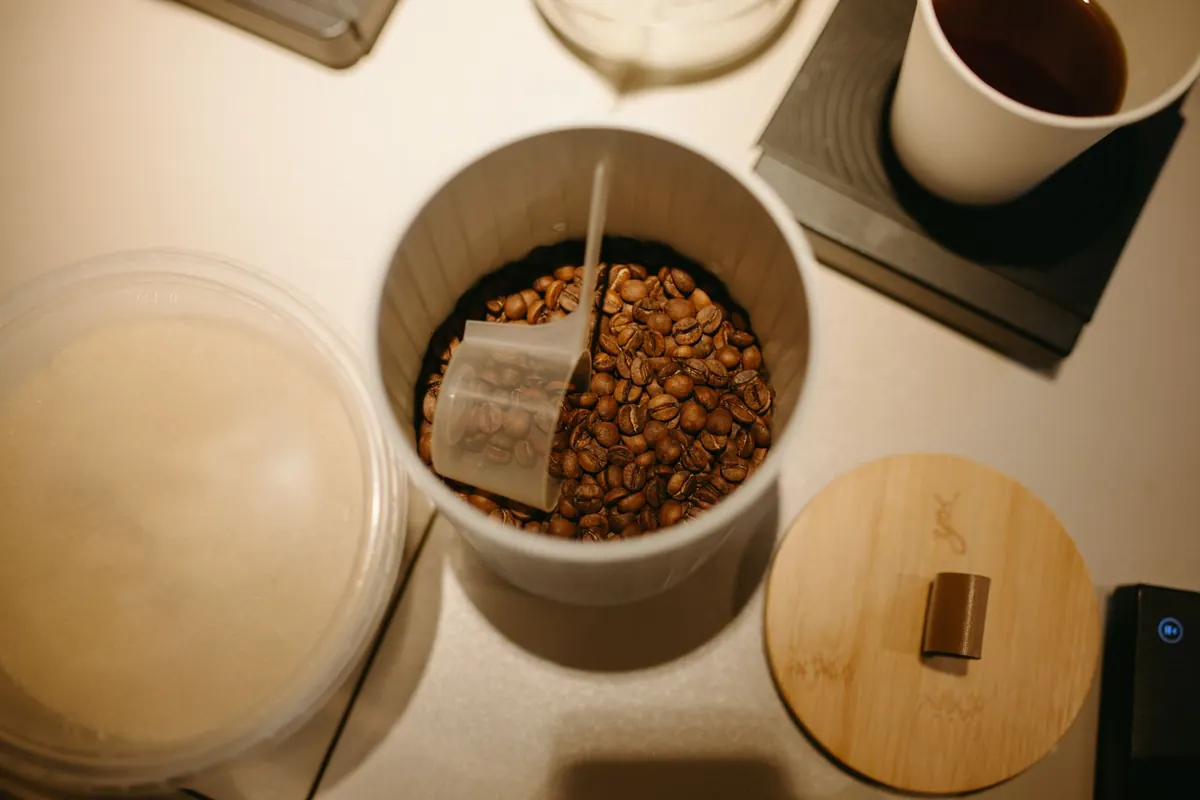
A bag of Italian coffee can read like a short poem in a language you almost know: tostatura media, miscela 80% arabica, macinato per moka. The words are not secret code. They describe three practical things—how dark the beans were roasted, what is in the blend, and how finely they were ground—plus a few clues about freshness and intended brewing. Once you can spot those signals, choosing between a dark, medium, or espresso blend becomes much less guesswork and much more about the cup you actually want.
The Three Label Words That Do Most of the Work
Most Italian coffee bags repeat a small vocabulary. Learn these and the rest of the label starts to make sense.
- Tostatura — roast. Tostatura scura is dark, tostatura media is medium, tostatura chiara is light. A roaster may also use intensa, equilibrata, or delicata as descriptive shorthand.
- Miscela — blend. Miscela tells you the coffee is a combination, often arabica and robusta. Monorigine means single origin. If you see 100% arabica, the bag is making a clear claim about composition.
- Macinatura — grind. In grani means whole bean; macinato means ground. Look for per espresso, per moka, or per filtro to see what the roaster had in mind.
Torrefazione is the roastery, and data di tostatura is the roast date—more useful than a distant best-before date when you are judging freshness. A one-way valve (valvola di sfiato) lets roasted coffee release gas without letting much air in. None of these terms is glamorous, but together they tell you whether the bag is likely to suit your morning routine.
Dark, Medium, and Light Roast in Italian Terms
Roast level changes flavour more reliably than almost any other label detail. Italian coffee tradition often leans darker than the light-roast fashion you see in specialty cafés, but the vocabulary still follows the same basic scale.
Dark roast: tostatura scura
A dark roast is pushed further into the development phase. Expect bittersweet chocolate, toasted nuts, caramel, and sometimes a smoky edge. Acidity tends to be lower, body fuller, and the origin’s fruit or floral notes more muted. This is the style many people associate with a classic Italian espresso or moka pot coffee, especially when milk is involved. If a bag says tostatura scura and corpo intenso, picture a sturdy, low-acid cup rather than a delicate one.
Medium roast: tostatura media
Medium roast is the useful middle ground. You get sweetness and body without losing all the coffee’s character. Labels may call it equilibrata or rotonda—balanced, round. It works in an espresso machine, a moka pot, and a filter brewer, which is why it is often the safest first purchase if you are unsure. A medium-roast blend with some robusta can still make a convincing espresso, while a medium-roast 100% arabica can be pleasant in a drip brewer.
Light roast: tostatura chiara
Light roast keeps more acidity, fruit, and floral notes. It can be lovely in a pour-over or filter machine, where you can taste the origin clearly. In an espresso machine it is less forgiving: the same coffee may taste sharp or thin if the grind and dose are not dialled in. If you mostly brew espresso at home and you like traditional Italian flavours, a light roast is usually not the easiest starting point.
One warning: outside Italy, “Italian roast” is sometimes used as shorthand for a very dark roast. On an Italian label, trust tostatura and the roaster’s description more than the English marketing phrase.
What “Espresso Blend” Really Means on a Label
Espresso is a brew method, not a roast level.
An espresso blend is simply a blend designed to perform well when coffee is ground fine, dosed into a basket, and pushed through with pressure in a short extraction. Roasters often choose beans and roast levels that produce body, sweetness, and a stable crema. That usually means a medium-dark to dark roast, and quite often a proportion of robusta.
Robusta is not a flaw. It adds body, crema, and a firmer, more bitter edge; arabica brings sweetness, acidity, and more origin detail. A classic Italian miscela may be mostly arabica with a little robusta, or a more robusta-forward blend for a stronger, more old-school cup. If the bag says per espresso, check whether it also says macinato. Pre-ground espresso coffee is fine for an espresso machine but usually too fine for a moka pot or filter brewer. Whole beans give you the freedom to grind for your own method.
Also remember that an “espresso blend” can make a good moka pot coffee, and a medium roast not labelled espresso can still make excellent espresso. The label is a hint, not a rule.
Reading the Rest of the Bag: Intensity, Origin, and Freshness
Beyond roast and blend, a few more terms help you predict what is in the cup.
- Intensità — intensity. This is the roaster’s own scale, often 1–5 or 1–10, and it is not standardised. It usually describes flavour impact, body, and roast impression, not caffeine content. Do not read “intensity 9” as a precise caffeine measure.
- Arabica and robusta — arabica tends to be sweeter and more acidic; robusta tends to be stronger, more bitter, and more crema-friendly. The ratio matters more than either word alone.
- Origine — origin. A Brazilian coffee may suggest nuts and chocolate; an Ethiopian coffee may suggest citrus or floral notes. These are general tendencies, not guarantees.
- Data di tostatura — roast date. Coffee is best enjoyed fresh. A recent roast date is more useful than a long best-before date, especially for whole beans.
- Confezione — packaging. Sottovuoto means vacuum-sealed; a one-way valve is a good sign for whole-bean coffee that needs to degas.
Matching the Label to Your Brew Method
Use the label as a starting point, then adjust grind and dose to taste. Here is how the main brew methods line up with common Italian label language.
- Espresso machine: Look for an espresso blend or a medium-dark to dark roast, ideally whole bean. Fine grind, a firm dose, and a short extraction suit chocolate, nut, and caramel notes. A little robusta can help crema and body.
- Moka pot: Medium to medium-dark roast,
Photo: HunterProducciones / Pixabay